

Introduction
The story of Dubai’s meteoric rise from a small pearl-trading creek to a “global city” of the 21st century is, in essence, the story of the Maktoum dynasty. For over 180 years, the Al Maktoum family has provided visionary leadership that has consistently anticipated and capitalized on global economic shifts. Their journey—from fostering a regional trading hub to betting the future on aviation, tourism, and innovation—is a masterclass in strategic governance and transformative leadership. The Maktoum legacy is one of unparalleled ambition, resilience, and an unwavering belief in Dubai’s potential to punch far above its weight on the world stage.
History
The Al Maktoum family’s rule in Dubai began in 1833 when Sheikh Maktoum bin Buti and his followers from the Bani Yas tribe settled in Dubai. From the outset, they pursued a policy of promoting trade. They lowered taxes and created a welcoming environment for merchants, attracting traders from Persia and the Indian subcontinent. This established Dubai as the premier commercial port on the Trucial Coast. In the 20th century, as the pearl industry collapsed, the dynasty, particularly under Sheikh Saeed bin Maktoum, navigated the emirate through economic hardship. The pivotal turning point came with the accession of Sheikh Rashid bin Saeed Al Maktoum in 1958. A legendary modernizer, he used the modest oil revenues discovered in 1966 not for consumption, but to fund transformative infrastructure: dredging the Creek, building Port Rashid, and establishing Dubai’s first airport.
Key Features
The Maktoum leadership style is defined by several key characteristics:
- Pro-Trade and Openness: For generations, the Maktoum rulers have governed with a merchant’s mindset. Policies are designed to attract business, talent, and capital, making Dubai one of the world’s most freewheeling and open economies.
- Visionary Infrastructure Investment: Understanding that geography is destiny, they have relentlessly invested in ports, airports, and logistics hubs. The creation of Jebel Ali Port, the world’s largest man-made harbor, and the launch of Emirates airline, were audacious bets that positioned Dubai as a global logistics and travel nexus.
- Pragmatic Diversification: Unlike its oil-rich neighbors, Dubai had limited reserves. The Maktoum rulers turned this vulnerability into a strength, aggressively diversifying into real estate, tourism, finance, and technology, ensuring the emirate’s prosperity was not tied to a single resource.
- “Build It and They Will Come” Philosophy: Their leadership is characterized by supreme confidence and a willingness to undertake monumental projects—like the Burj Al Arab and the Palm Jumeirah—that capture the world’s imagination and generate their own economic momentum.
Cultural Significance
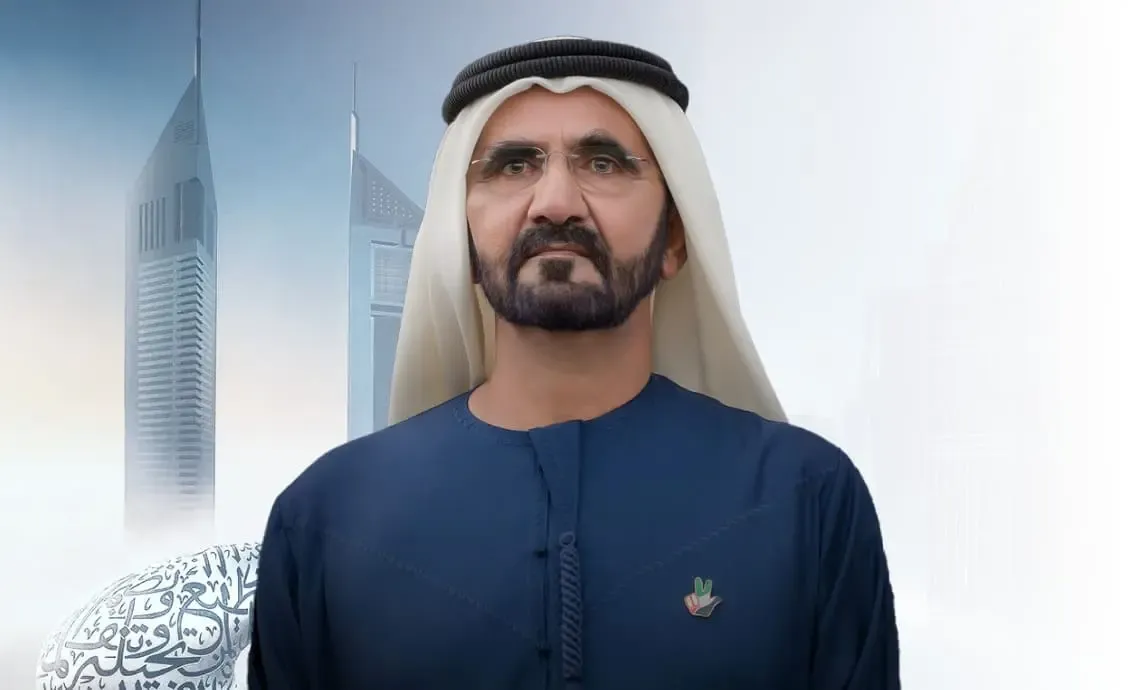
The Maktoum dynasty has cultivated a unique “Dubai spirit”—an identity synonymous with ambition, innovation, and can-do optimism. They have instilled in the city’s citizens and residents a belief that no goal is too high. Their leadership is highly visible and personal; the late Sheikh Rashid and his sons, Sheikh Maktoum, and especially the current ruler, Sheikh Mohammed bin Rashid Al Maktoum, are not distant figures but the chief architects and visionaries of the city’s growth. Their poetry, their words, and their very public personas are integral to Dubai’s brand, representing a leadership that is both traditional in its roots and utterly modern in its execution.
Modern Relevance
The Maktoum vision is the engine of Dubai’s present and future. The current focus on becoming a global capital for the digital economy, artificial intelligence, and sustainable living—championed by Sheikh Mohammed bin Rashid—is a direct continuation of this legacy of foresight. Initiatives like the Dubai Future Foundation, the Museum of the Future, and the annual World Government Summit demonstrate a relentless focus on what comes next. The dynasty’s ability to constantly reinvent Dubai, ensuring it remains relevant and competitive in a changing global economy, is its most critical modern function. They have ensured that Dubai is not just a city, but a perpetual project in future-making.
Conclusion
The Maktoum dynasty’s journey from pearl traders to builders of a global city is one of the most remarkable narratives of the modern era. They have demonstrated that with visionary leadership, strategic acumen, and unwavering self-belief, even a small city-state with limited natural resources can become a central node in the global network. The skyline of Dubai is a monument to their ambition, but their true legacy is the resilient, forward-looking, and entrepreneurial ecosystem they have created—a gift that will continue to drive the emirate’s prosperity for generations to come.