

Introduction
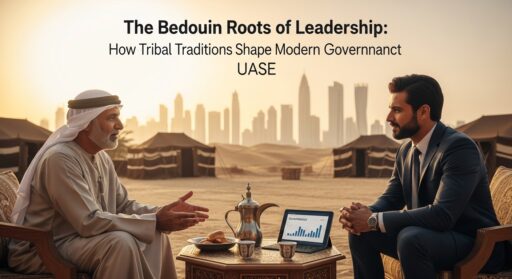
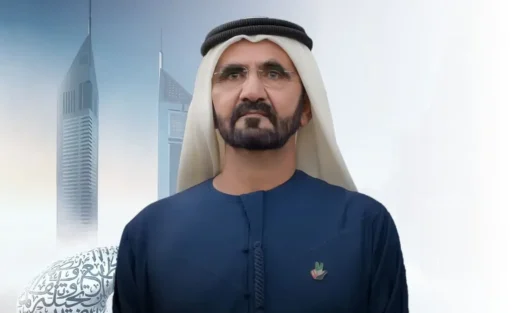
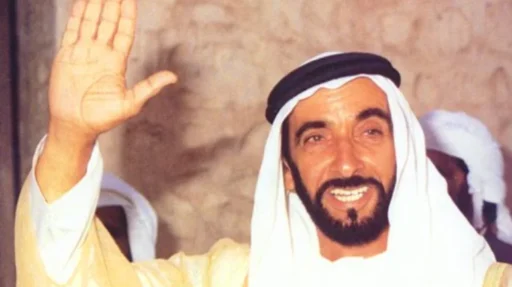
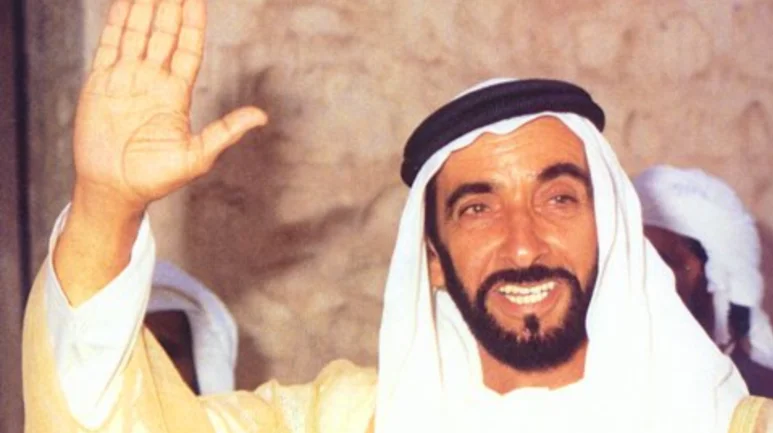
The story of the United Arab Emirates is inextricably linked to the vision, wisdom, and profound humanity of one man: Sheikh Zayed bin Sultan Al Nahyan. Revered as the “Father of the Nation,” his leadership was the catalytic force that transformed a collection of disparate Trucial States into a unified, prosperous, and globally respected federation. More than just a political founder, Sheikh Zayed was a philosopher-king whose values of sustainability, tolerance, and compassion, rooted in his Bedouin upbringing, continue to define the very soul of the modern UAE. His legacy is not merely etched in stone and steel, but in the spirit of its people and the nation’s unwavering trajectory.
History
Born around 1918 in Abu Dhabi, Sheikh Zayed spent his formative years in the desert oasis of Al Ain, where he developed a deep understanding of the land, its people, and the delicate balance required for survival. He became the Ruler’s Representative in Al Ain in 1946, where he first demonstrated his genius for governance, managing water resources and mediating tribal disputes. In 1966, he became the Ruler of Abu Dhabi and immediately began channeling the emirate’s nascent oil revenues into schools, hospitals, and infrastructure. His greatest achievement, however, was his unwavering belief in federation. Through patient diplomacy, he persuaded his fellow rulers of the benefits of unity, culminating in the formation of the UAE on December 2, 1971, with Sheikh Zayed unanimously elected as its first President, a position he held until his passing in 2004.
Key Features
Sheikh Zayed’s legacy is built upon several foundational pillars:
- The Architect of Union: His was the driving will behind the federation. He famously stated, “In harmony, in some sort of federation, we could follow the example of other developing countries,” understanding that unity was the only path to strength and prosperity.
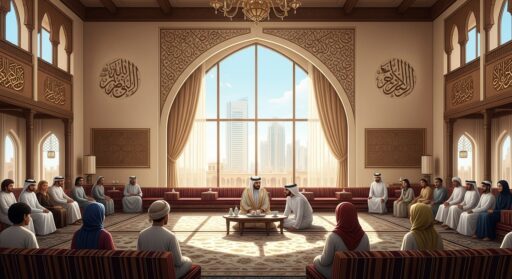
- A Leader of the People: He was renowned for his accessibility. His open majlis was a forum where any citizen, from the humblest Bedouin to the most senior merchant, could seek his counsel and air their grievances, embodying a leadership style of direct connection and accountability.
- Visionary Development: He championed a model of development that balanced rapid modernization with environmental and cultural preservation. He initiated massive greening projects, stating, “On land and in the sea, our forefathers lived and survived in this environment. They were able to do so because they recognized the need to conserve it.”
- Global Humanitarianism: His compassion knew no borders. He became one of the world’s largest aid donors, providing assistance to countless nations regardless of religion or ethnicity, establishing a tradition of global citizenship that remains a cornerstone of UAE foreign policy.
Cultural Significance
Sheikh Zayed’s cultural significance is immense. He is the moral compass of the nation. His image is ubiquitous, a constant reminder of the values he espoused: integrity, humility, generosity, and faith. He served as a living bridge between the old world and the new, effortlessly wearing traditional Bedouin dress while steering his country into the 21st century. He validated Emirati heritage, showing that tradition was not an obstacle to progress but a source of strength. For citizens, he is more than a historical figure; he is a beloved patriarch whose words and actions continue to provide guidance and inspiration.
Modern Relevance
Sheikh Zayed’s legacy is the operating system for the modern UAE. The UAE’s ambitious space program, including the Hope Probe to Mars, is a direct continuation of his exhortation to “seek knowledge from the cradle to the grave.” The Masdar City initiative and the UAE’s hosting of COP28 reflect his early environmental consciousness. The National Tolerance Programme and the building of the Abrahamic Family House are manifestations of his deeply held belief in interfaith dialogue and coexistence. The nation’s continued stability and its role as a mediator in regional conflicts are a testament to his diplomatic principles. Every strategic vision, from UAE Vision 2021 to the Centennial 2071 Plan, is fundamentally an effort to fulfill and extend the future he first imagined.
Conclusion
Sheikh Zayed bin Sultan Al Nahyan was a leader of rare quality, whose vision transcended his time. He did not just build a nation; he forged a national character. His legacy is not a static monument to be admired from a distance, but a living, breathing force that actively shapes policy, ambition, and identity. As the UAE navigates the complexities of the 21st century, the question “What would Zayed do?” remains a powerful and relevant guide. He demonstrated that true leadership is not about power, but about service; not about wealth, but about its wise and generous distribution. In the heart of every Emirati and in the skyline of every city, the spirit of Sheikh Zayed endures, ensuring that the nation he built will always have a soul.