

Introduction
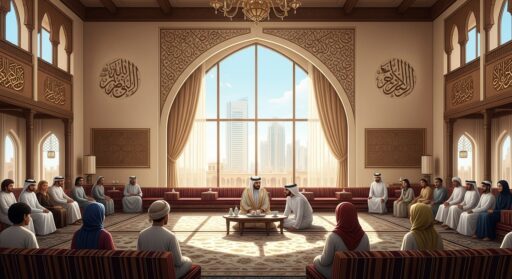
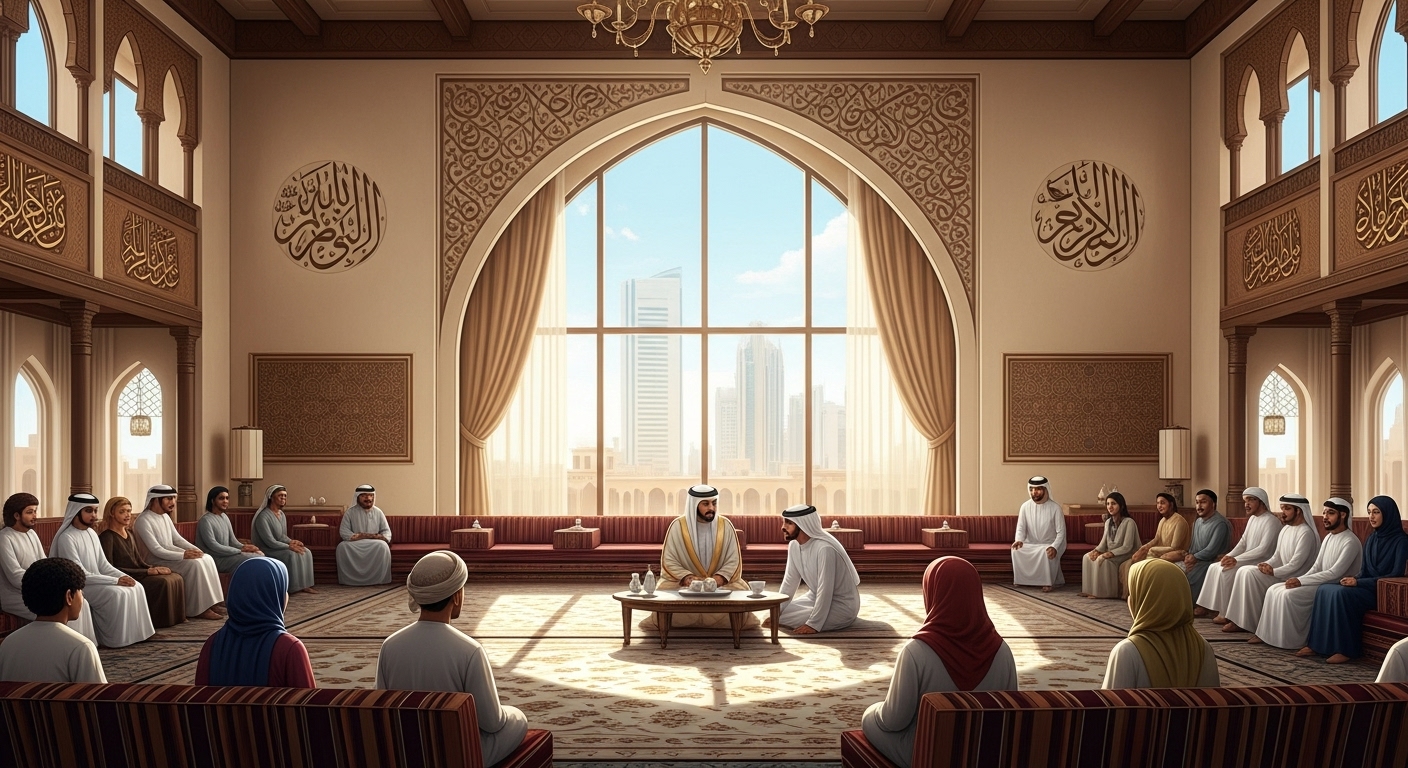
In a world where leaders are often insulated by layers of security and bureaucracy, the United Arab Emirates preserves a deeply rooted tradition that defies this norm: the open majlis. This institution, a regular gathering where a ruler meets directly with his citizens, is a powerful living artifact of Bedouin democracy. More than a symbolic gesture, the open majlis is a fundamental mechanism of governance, a cultural touchstone, and the physical embodiment of the social contract between the ruling families and the people. It ensures that leadership remains accessible, accountable, and intimately connected to the pulse of the nation.
History
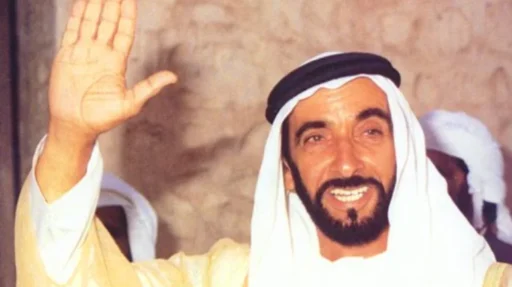
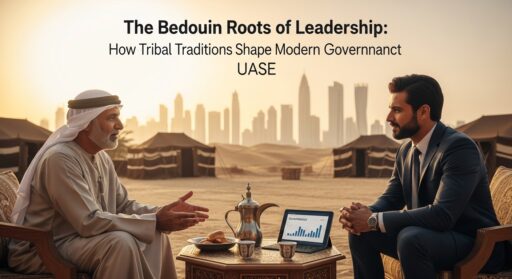
The majlis (literally, “a place of sitting”) has been the bedrock of Arab tribal governance for centuries. In the desert, the sheikh would hold court in a designated tent, where any member of the tribe could enter, drink coffee, and voice an opinion, seek justice, or request assistance. The survival of the tribe depended on this open flow of communication and the leader’s ability to listen and act on the consensus of his people. When the UAE was formed, its founders, particularly Sheikh Zayed bin Sultan Al Nahyan and Sheikh Rashid bin Saeed Al Maktoum, intentionally preserved this tradition, integrating it into the framework of a modern state as a core principle of their leadership.
Key Features
The open majlis is characterized by its specific rituals and profound purpose:
- A Space of Equality: Within the majlis, protocol is minimized. Citizens sit alongside the ruler as equals, a practice that reinforces the Bedouin concept of the leader as “first among equals.”
- Direct Petition and Grievance Redressal: The primary function is to allow citizens to bypass official channels and present their problems—a land dispute, a request for medical treatment, a complaint about a government service—directly to the highest authority. The ruler often issues on-the-spot directives to his aides to resolve the issue.
- A Barometer of Public Sentiment: For the ruler, the majlis is an invaluable, unfiltered source of information. It provides a direct read on the concerns, hopes, and frustrations of the people, informing policy and preventing the leadership from becoming isolated.
- A School of Governance: For younger members of the ruling family, attending the majlis is an essential part of their education. It is where they learn the art of listening, mediation, and leadership by observing their elders handle complex social and tribal matters.
Cultural Significance
The open majlis is a cornerstone of Emirati national identity. It is a powerful symbol of the accessibility and humility of the leadership, fostering a deep sense of loyalty and belonging among citizens. This practice validates the cultural heritage of the nation, demonstrating that the values of the desert—consultation (shura), community, and mutual obligation—remain relevant and operational. It reinforces the idea that the government is not a distant, impersonal entity, but an extension of the family and the tribe, with the ruler as its patriarchal head.
Modern Relevance
In the digital age, the majlis has evolved but its core function remains. While physical gatherings continue, rulers now also leverage social media as a “digital majlis,” engaging with citizens online. However, the physical act of gathering retains its profound importance. It serves as a vital check against the alienation that can accompany rapid modernization and a diverse expatriate population, ensuring that the citizenry retains a direct and personal connection to its leadership. In a region where disenfranchisement can lead to instability, the majlis acts as a critical pressure valve and a source of enduring political stability for the UAE.
Conclusion
The open majlis is far more than a cultural performance; it is the living heart of Emirati governance. It is a timeless institution that has successfully bridged the gap between a tribal past and a globalized present. In a world of increasing political complexity and distance between the governed and the government, the UAE’s commitment to this tradition is a remarkable anomaly. The open majlis ensures that the voices of the people are not just heard in elections, but are a constant, guiding presence in the halls of power, preserving the essence of what has made the UAE’s model of leadership so uniquely effective and enduring.